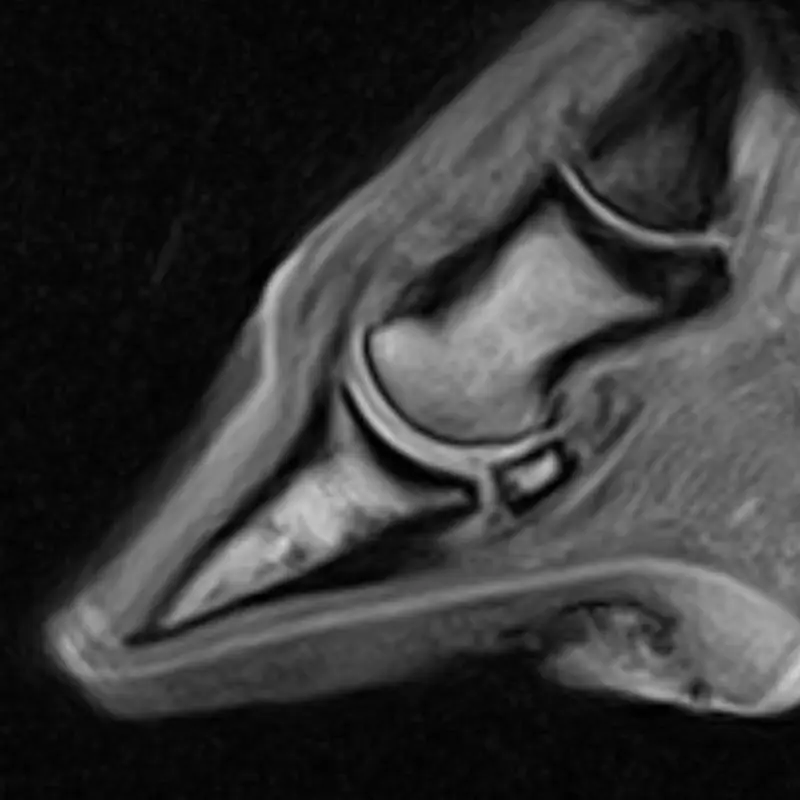

Radioactive Iodine (I-131)
Radioactive Iodine (I-131) Read More »
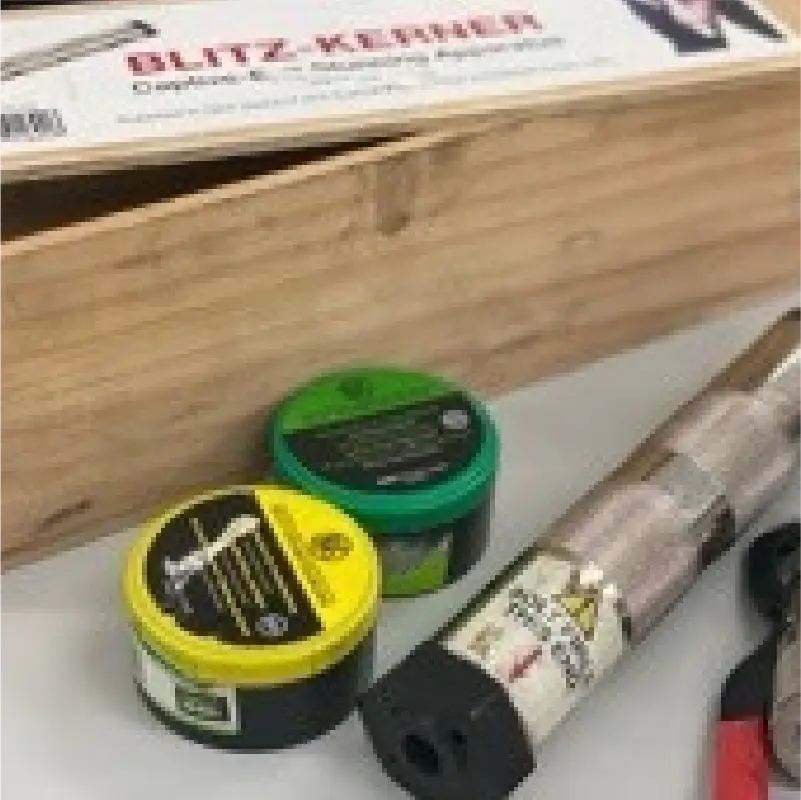
How to prepare yourself, the equipment and the patient for safe captive bolt use. Whilst not requiring licensing, this equipment has the capability to cause harm and special care steps are covered in this document.
Information about this emerging concern for veterinary team members, and how to understand the hazard and how to best keep yourself safe when working in situations where an antimicrobial resistent ‘bug’ may be present. Links to important resources and additional training.
Antimicrobial Resistance Read More »
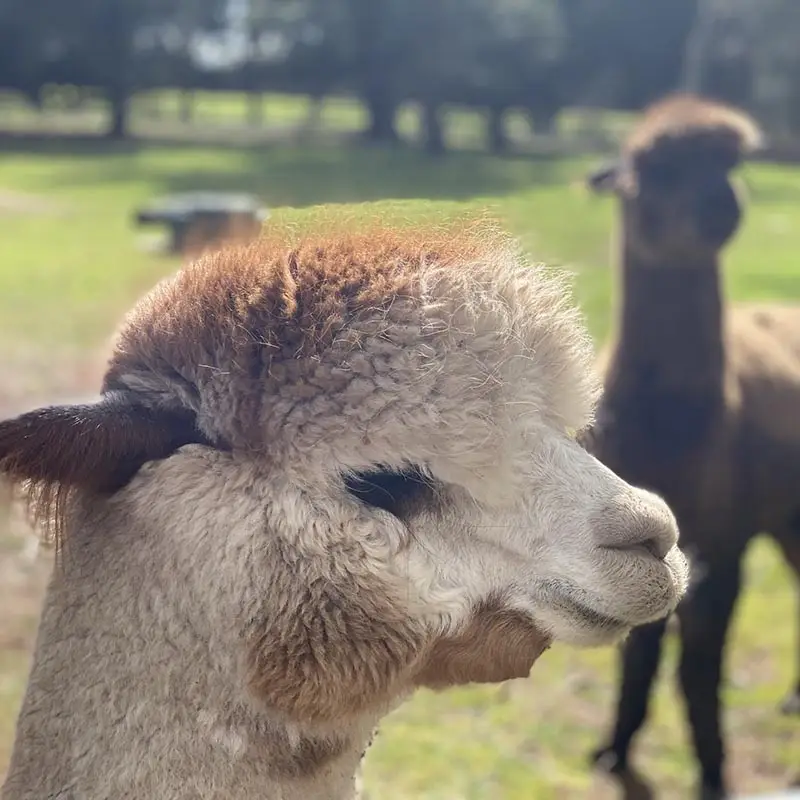
Covers how to interpret alpaca body language which may indicate they are uneasy and therefore less safe to handle, how to handle a single alpaca and other precautions to take to make the experience safer.
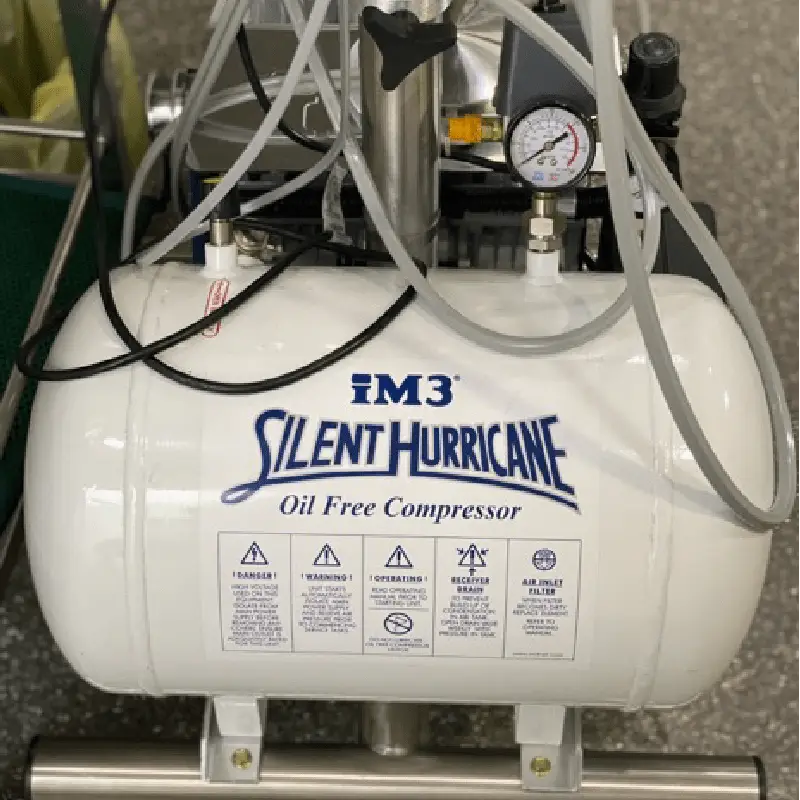
How to work safely with air compressors which may be present to power dental or surgical equipment, including the key ways to avoid issues and pre-start steps to take to remain safe.
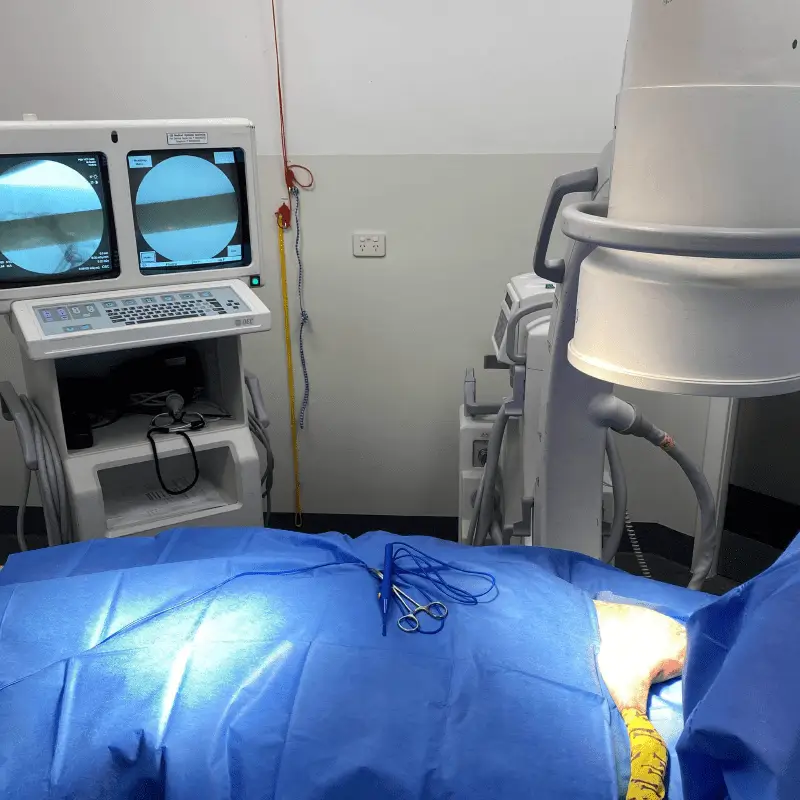
Covers the important aspects of radiation safety that apply to fluorscopic procedures, particularly staff actions to take prior to the procedure starting and how to minimise the radiation used for the procedure.

What are the risks and what can go wrong? What equipment do you need to remain safe? How should the horse’s head be restrained to allow you to work safely?
Dentistry – Horses Read More »
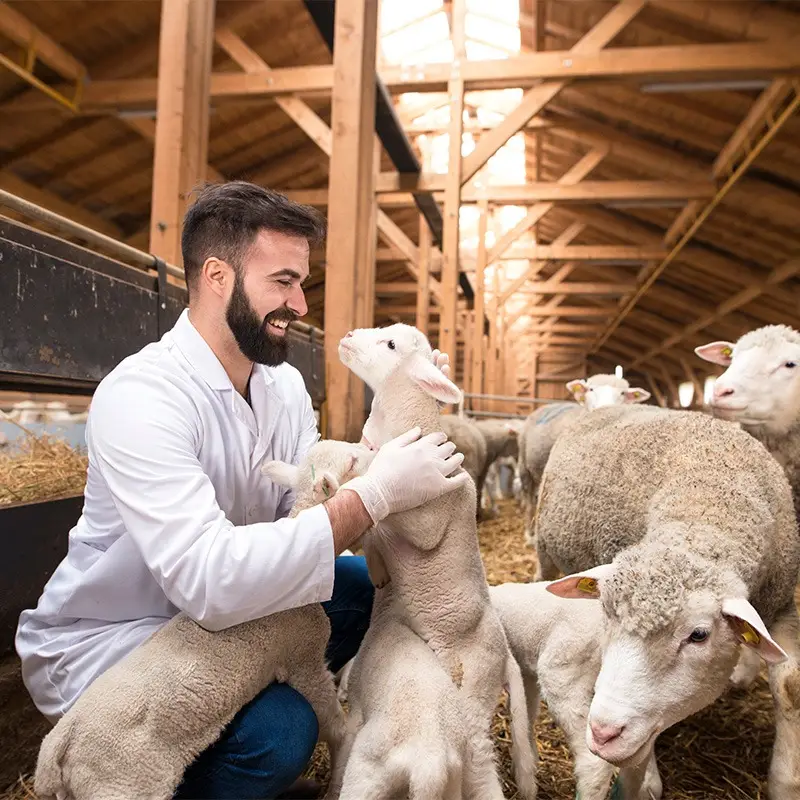
How to safely with sheep either in a group or on their own; what zoonotic diseases are relevant and how to protect staff from them: what are the best handling techniques to use working with sheep, taking their behaviour and size into consideration?
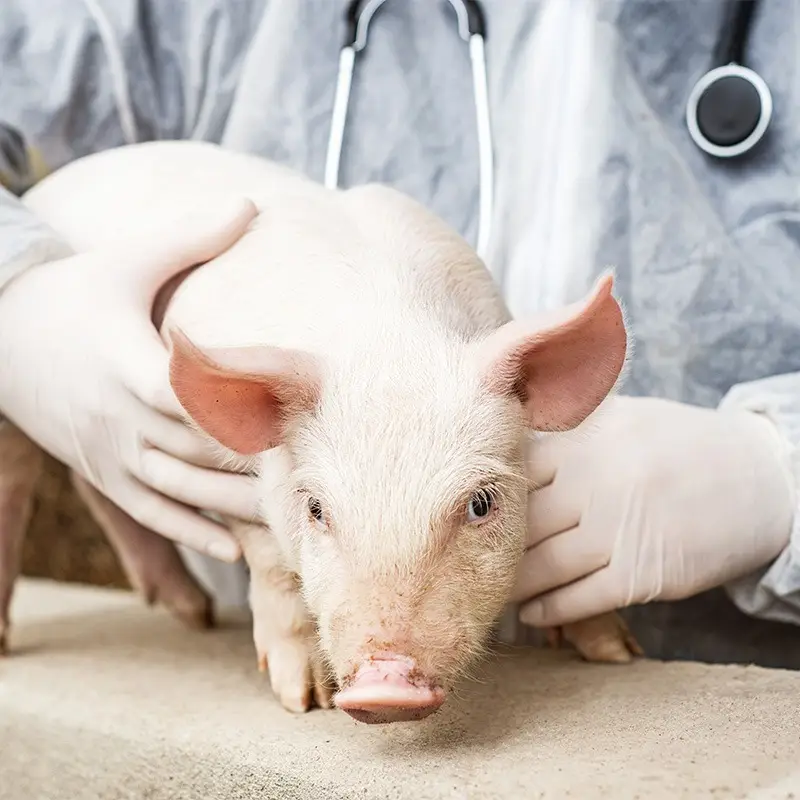
What is the best way to work with (not against) the natural behaviour of pigs and remain safe? What are some of the more dangerous situations; and way to reduce risk in those moments? What zoonotic diseases might be relevant when working with pigs?